Choosing Between Wet-on-Wet and Wet-on-Dry in Watercolor
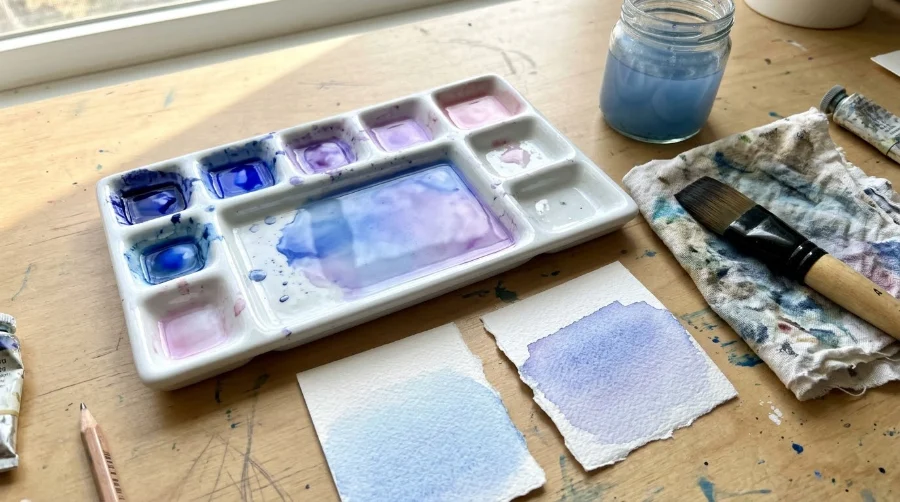
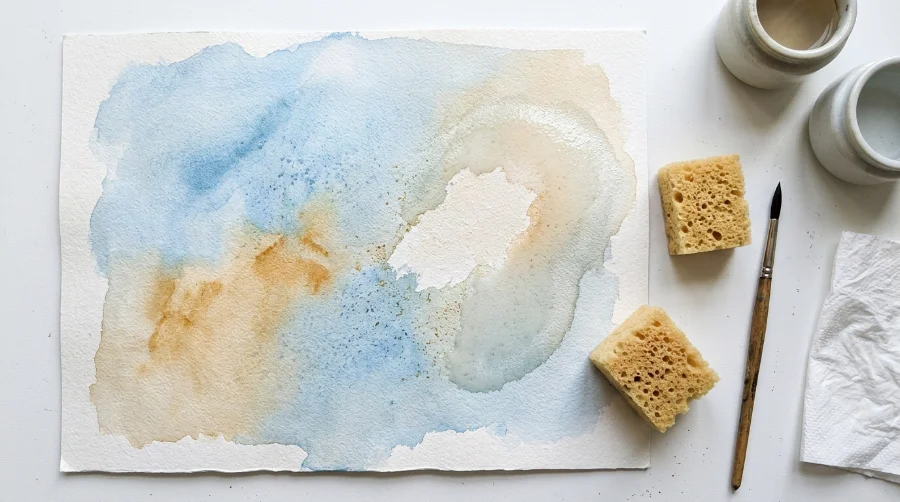
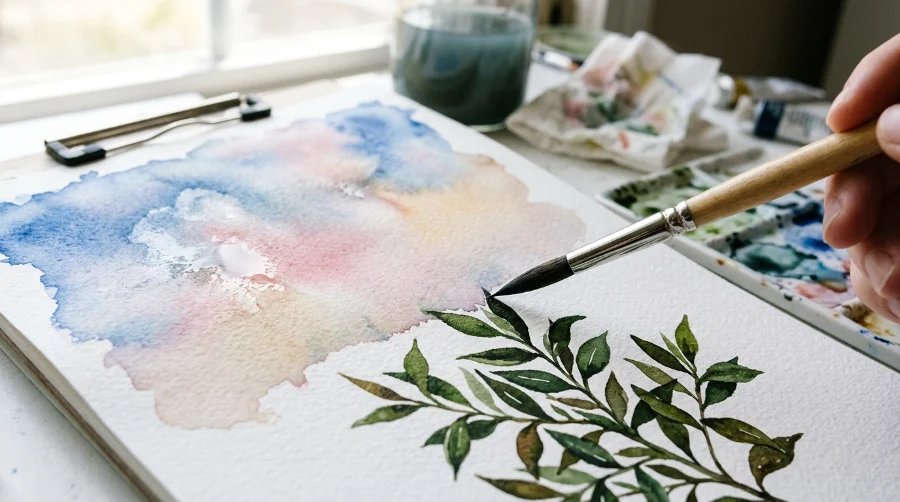
Almost every choice you make in watercolor comes down to one question: is the surface you are painting onto wet or dry? The two answers produce completely different…
Water, washes, blooms, edges and transparent layers — the things that make watercolor behave like watercolor instead of like diluted gouache.
Almost every choice you make in watercolor comes down to one question: is the surface you are painting onto wet or dry? The two answers produce completely different…
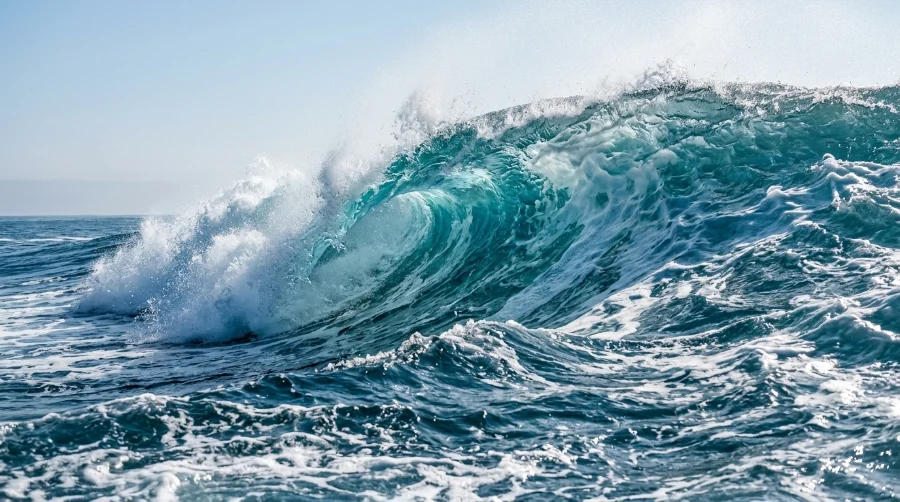
Water is the easiest subject to paint badly and one of the hardest to paint well. The reason is that we expect water to be a color, and it is not. A wave is a shape…
A painted sky is mostly gradient. The whole upper half of a landscape painting is a transition from one color to another, and the transition has to be seamless or…
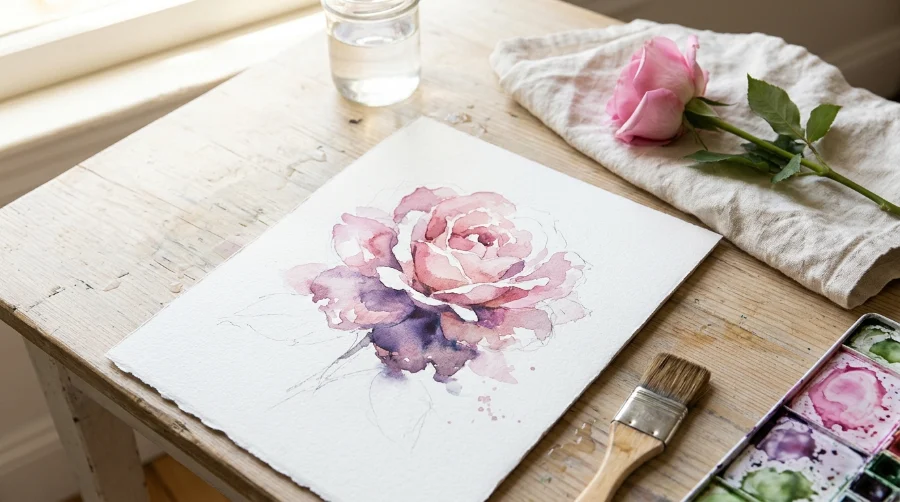
Watercolor flowers have a reputation for being hard, and it is mostly deserved. The medium is unforgiving about the two things a flower depends on most: clear edges…
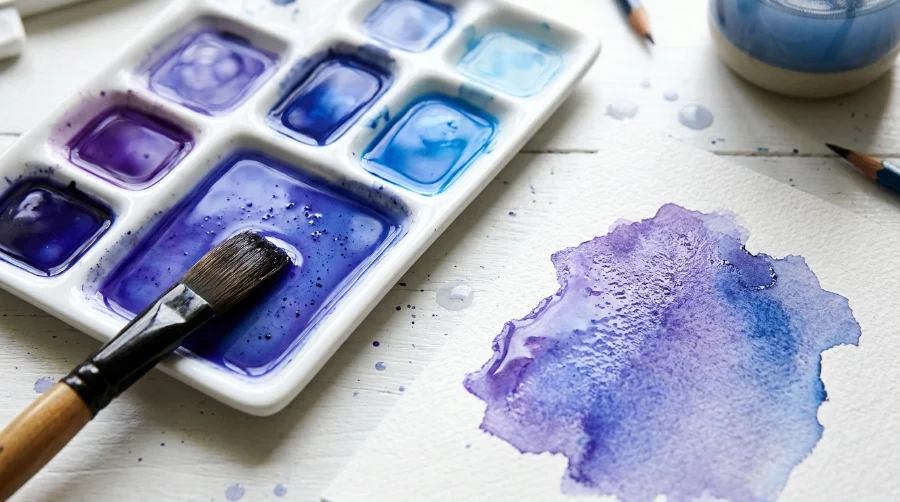
A wash is any passage of watercolor laid down as a continuous area of color rather than as separate strokes. It is the basic building block of the medium, and it is…
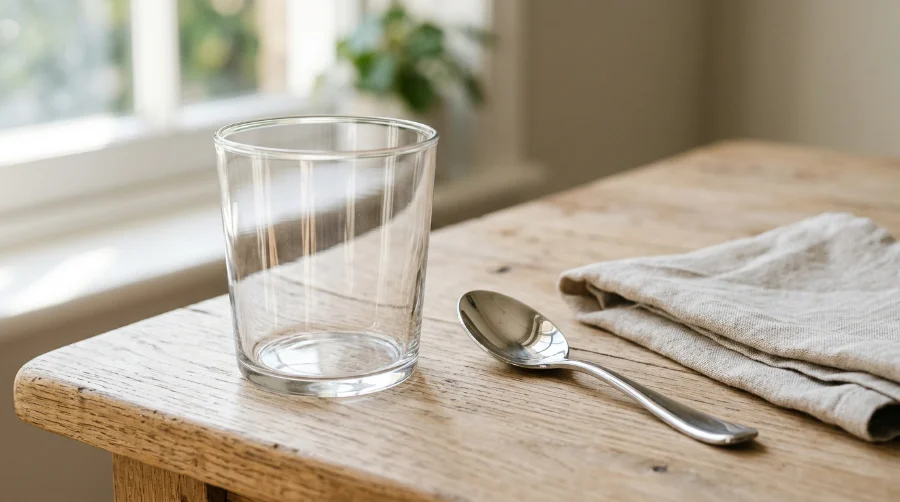
Glass and metal are the two materials that break most of the rules a beginner learns about watercolor. Glass has no local color of its own, so everything you paint…
Watercolor has one unforgiving rule: whatever you paint is permanent. There is no way to scrub a wash off a dried sheet, and there is no equivalent of the oil…
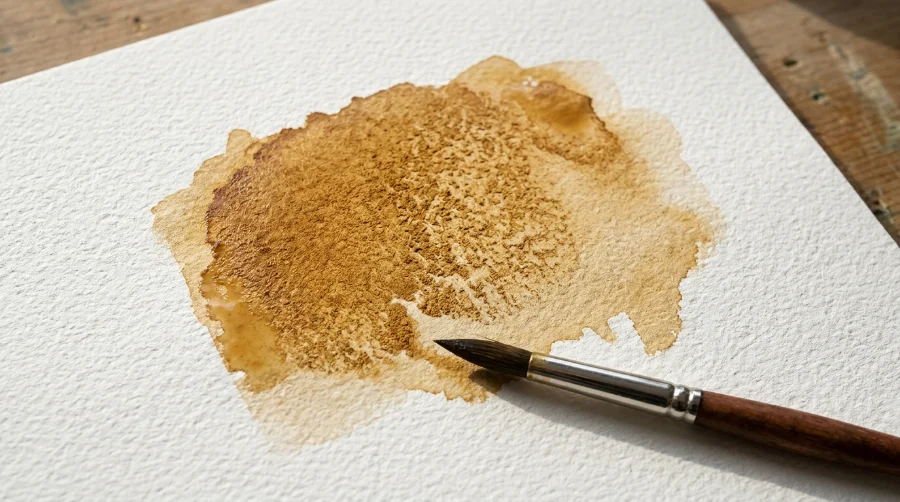
Some watercolor paints settle into the valleys of rough paper and leave a grainy, speckled texture that you did not paint. Other colors sit on the surface as smooth…
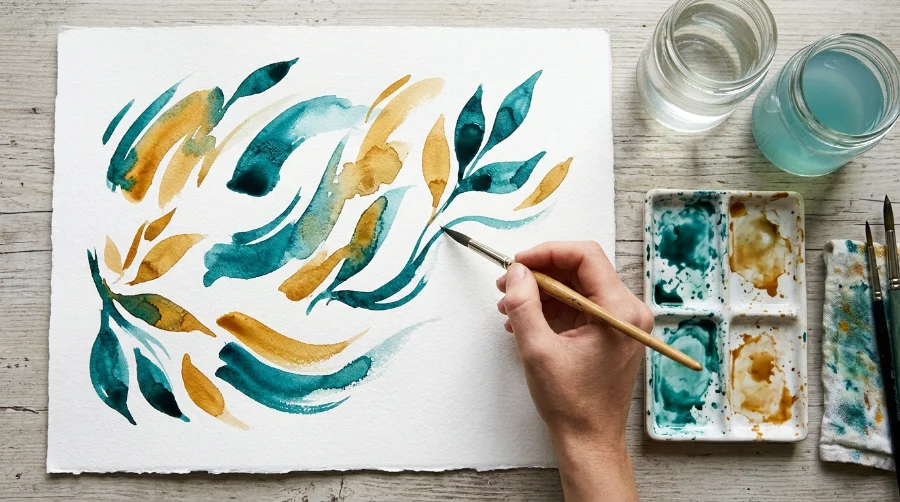
Watercolor lettering sits at the intersection of painting and drawing, and it is one of the most satisfying ways to use the medium. The constraints are unusually…
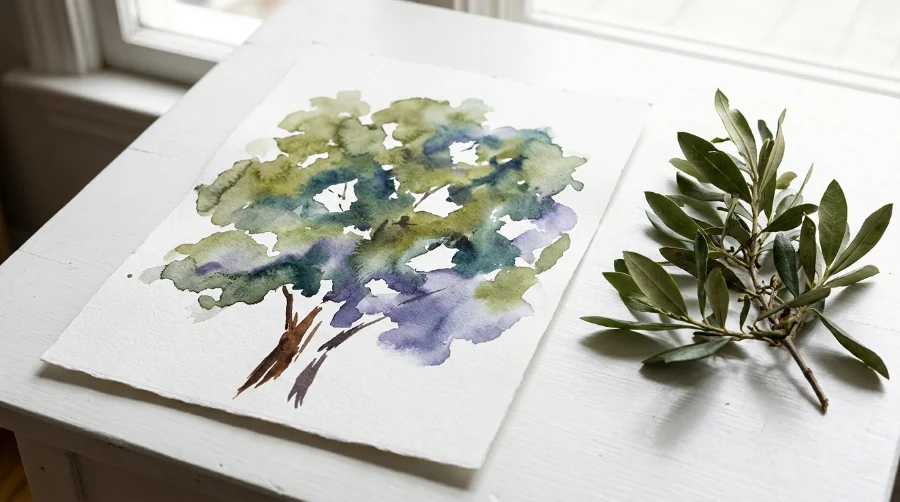
Trees are the classic test of whether a painter can see. A tree in front of you is a chaotic mass of tens of thousands of small leaves, each one distinct, and no…
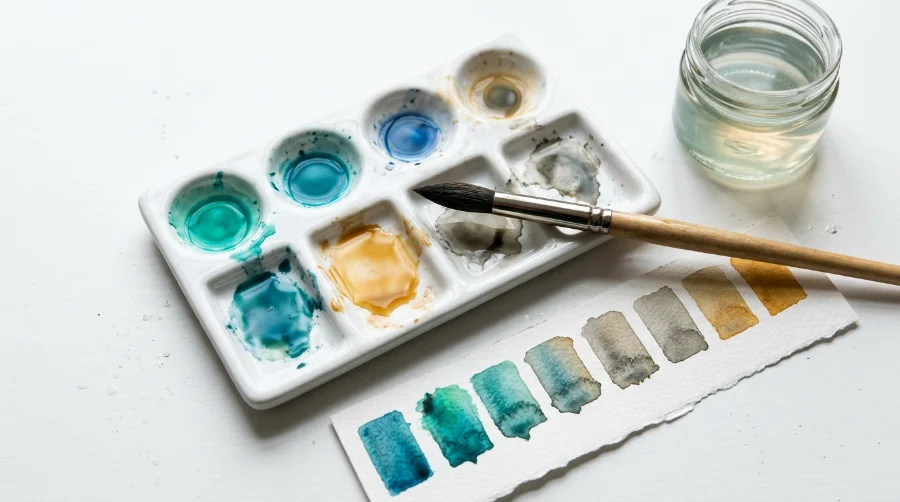
Every watercolor problem that looks like a painting problem is often a mixing problem. The sky is muddy, the flower reads dull, the shadows look dirty. What usually…
Other topics on the site.
Lines, shapes, proportion and edges — the mechanics underneath every drawing, and where most beginners get stuck first.
11 lessonsPerspective, composition, light and shade, volume — the principles that turn a recognizable outline into a drawing that holds up.
8 lessonsHue, value, saturation, temperature and harmony — how color behaves, and how to build a palette you can actually paint with.
7 lessonsGesture, contour, urban sketching, animals and drapery — capturing what you see while it is still moving.
10 lessonsStructured practice — a 30-day plan, ten-minute sessions, drawing from a window, and studying the masters without copying mindlessly.
5 lessonsGraphite grades, paper weight and tooth, brushes, ink and pen — what each material is actually for before you spend money on it.
8 lessonsUnderpainting, brush control, palette knife, scumbling, skin tones and drying times — the craft of putting paint down and controlling what happens next.
8 lessons