Drawing With Ink and Pen Tools and Techniques
Choosing a pen sounds trivial, since any of them will put a line on paper. It is not trivial, because the pen determines what kind of line you can make, how fast…
Graphite grades, paper weight and tooth, brushes, ink and pen — what each material is actually for before you spend money on it.
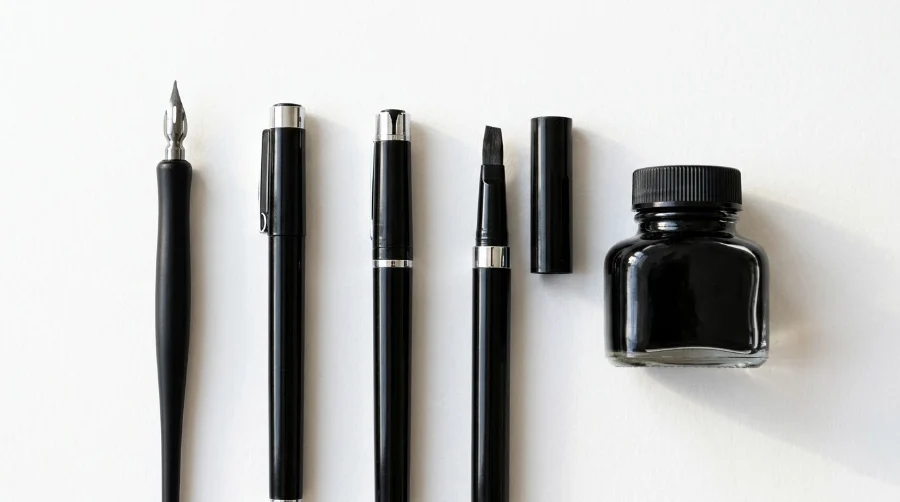
Choosing a pen sounds trivial, since any of them will put a line on paper. It is not trivial, because the pen determines what kind of line you can make, how fast…
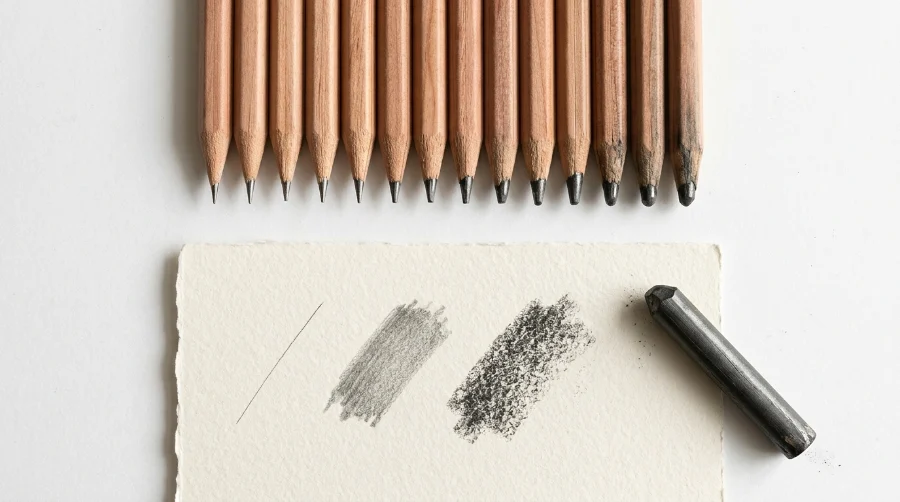
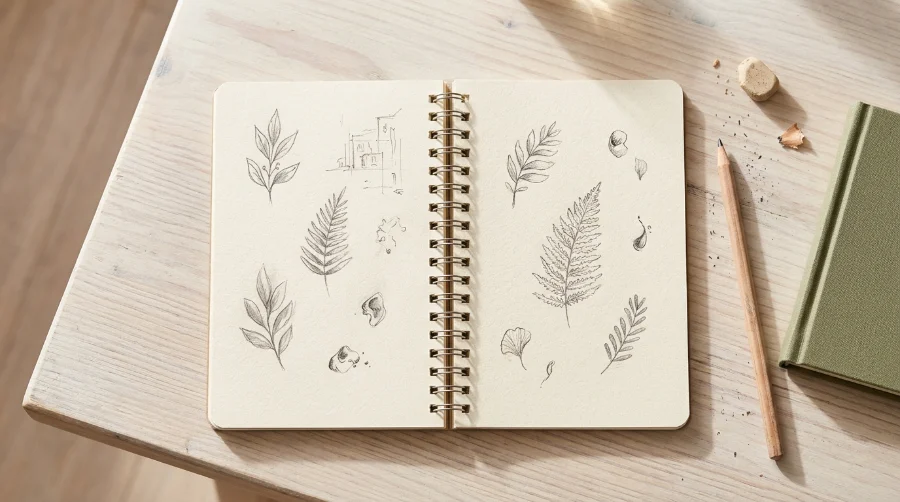
Almost every beginner owns a box of pencils and has no idea what the numbers on them mean. What they discover quickly is that the very soft pencils smudge, the very…
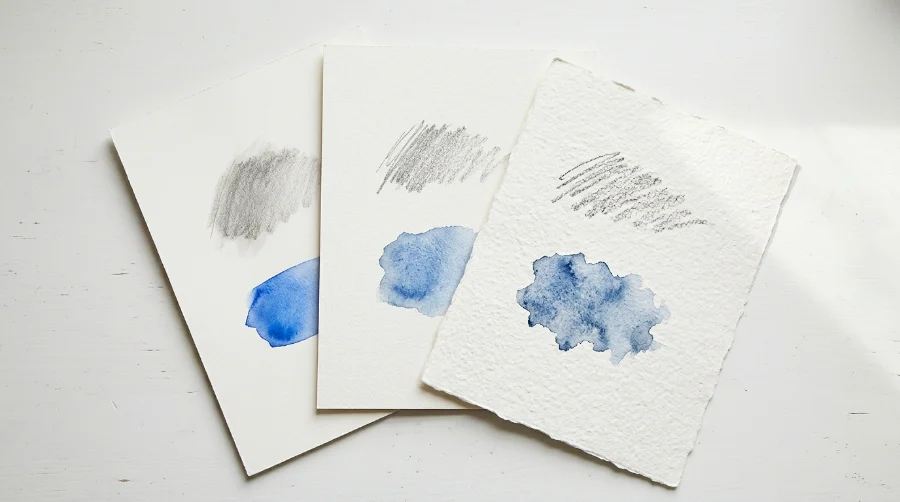
Paper is the one material in a drawing or painting that most people choose by accident. They use whatever is in the sketchbook they happen to own, or the cheapest…
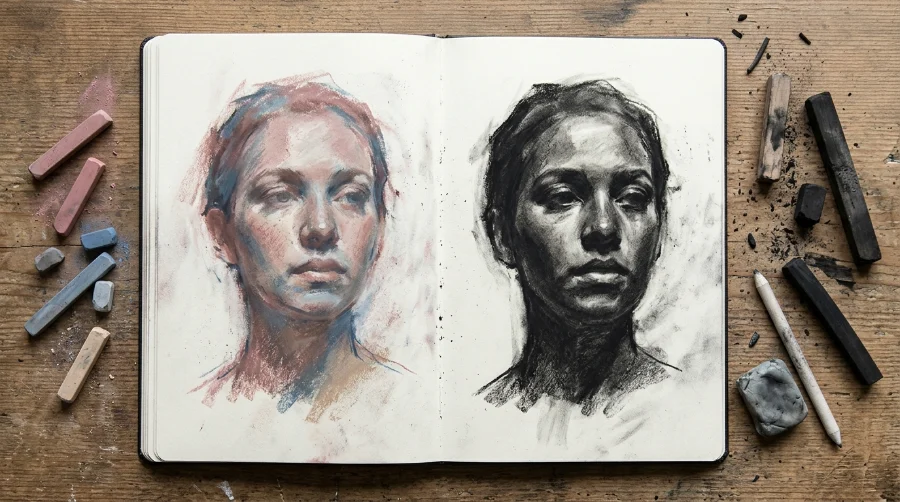
Charcoal and pastel are the two soft drawing media, and they are often treated as variations of the same idea. They behave very differently, and choosing correctly…
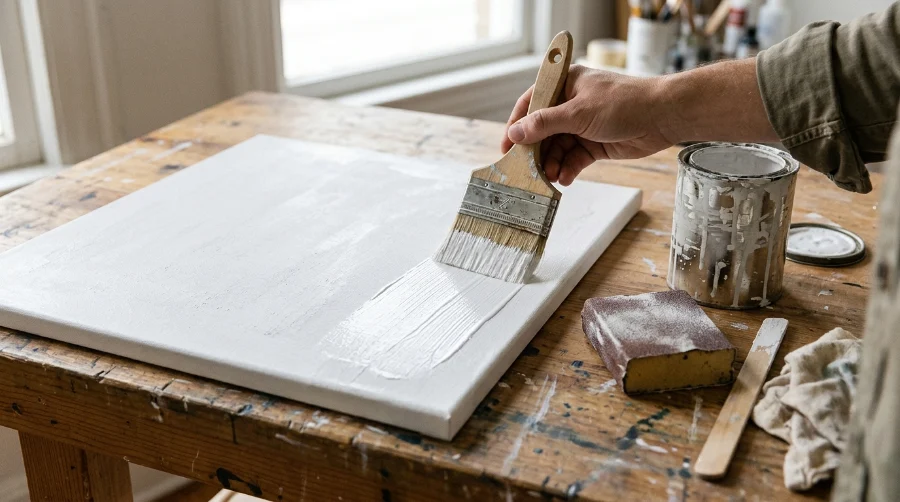
If you have ever painted on a surface without preparing it, you already know the results: the paint sinks in, the colors go dull, the brush catches on every fiber…
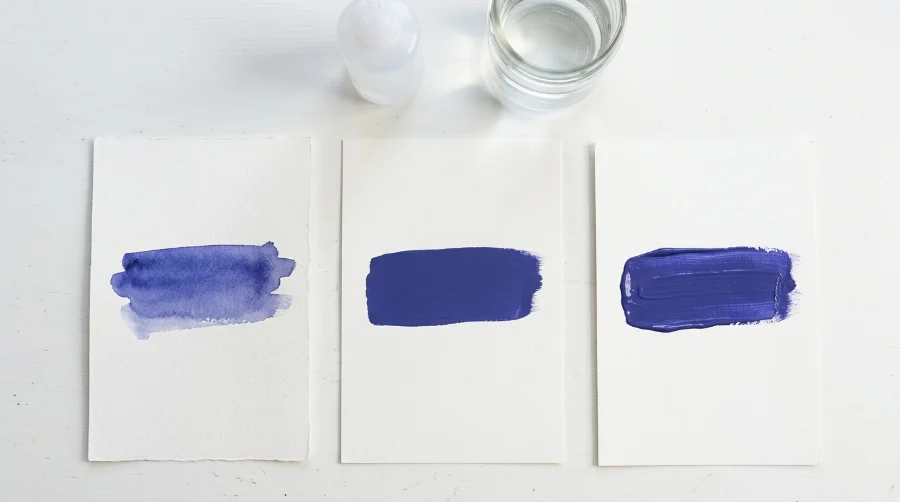
Acrylic, gouache, and watercolor are all water-based paints, and beginners often treat them as interchangeable versions of the same thing with different prices…
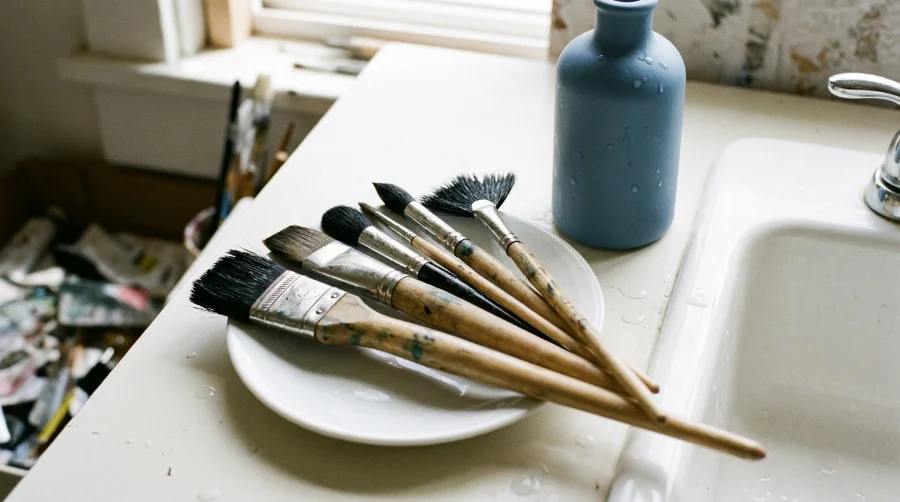
A good brush is one you understand, not one that was expensive. The catalog description tells you the shape, the size, and the hair type, and once you know what…
A sketchbook is the tool you will use more than any other, and most people choose one badly. They buy a beautiful book with thick creamy pages, fill six pages with…
Other topics on the site.
Lines, shapes, proportion and edges — the mechanics underneath every drawing, and where most beginners get stuck first.
11 lessonsPerspective, composition, light and shade, volume — the principles that turn a recognizable outline into a drawing that holds up.
8 lessonsHue, value, saturation, temperature and harmony — how color behaves, and how to build a palette you can actually paint with.
7 lessonsGesture, contour, urban sketching, animals and drapery — capturing what you see while it is still moving.
10 lessonsStructured practice — a 30-day plan, ten-minute sessions, drawing from a window, and studying the masters without copying mindlessly.
5 lessonsUnderpainting, brush control, palette knife, scumbling, skin tones and drying times — the craft of putting paint down and controlling what happens next.
8 lessonsWater, washes, blooms, edges and transparent layers — the things that make watercolor behave like watercolor instead of like diluted gouache.
11 lessons